
5 Star Rating on Google!
Kikuyu Turf
Kikuyu Turf is fast-growing, self-repairing and one of the most resilient grass types. Delivered throughout Sydney & surrounds.
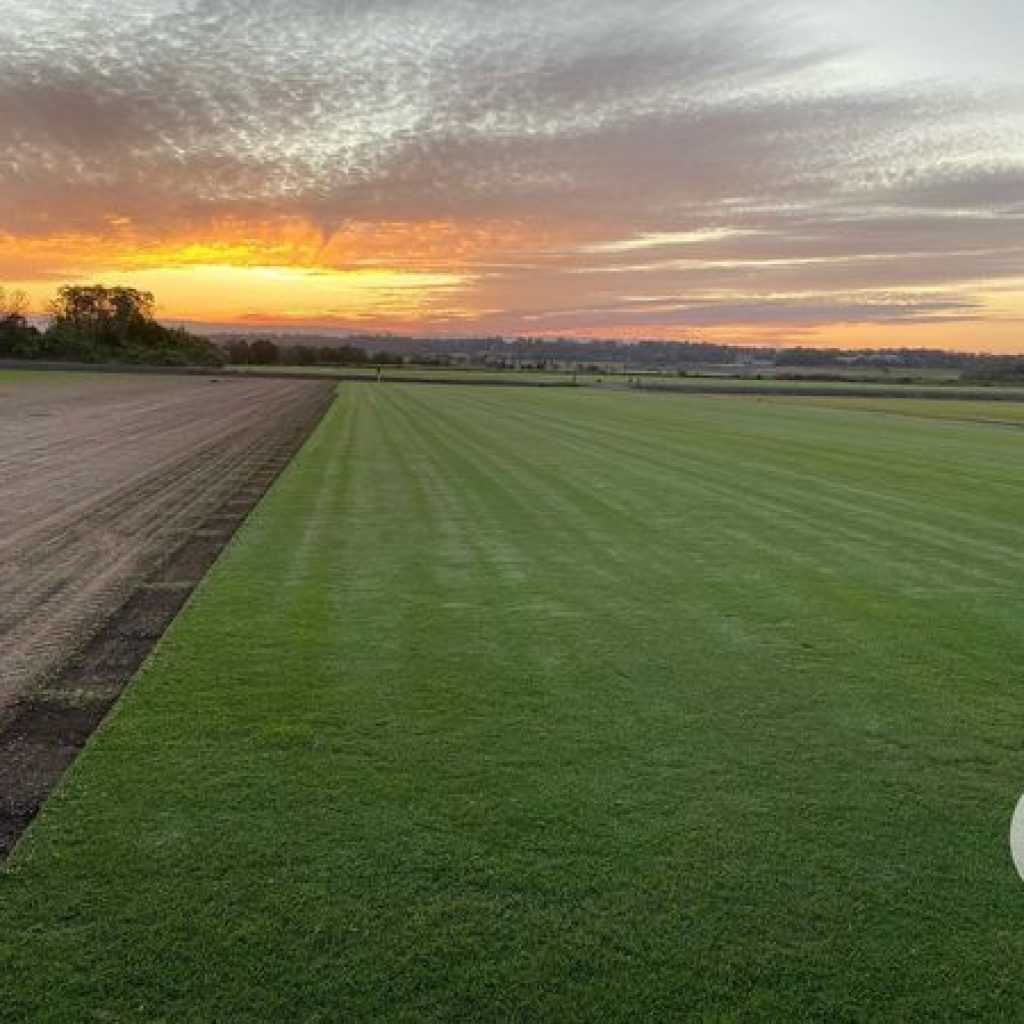
Kikuyu Turf Delivered In Sydney
Kikuyu is the toughest, fastest-growing turf grass you can put on a Sydney lawn. It recovers from damage quicker than any other variety we sell, handles drought and extended heat well, and stays greener through winter than couch varieties.
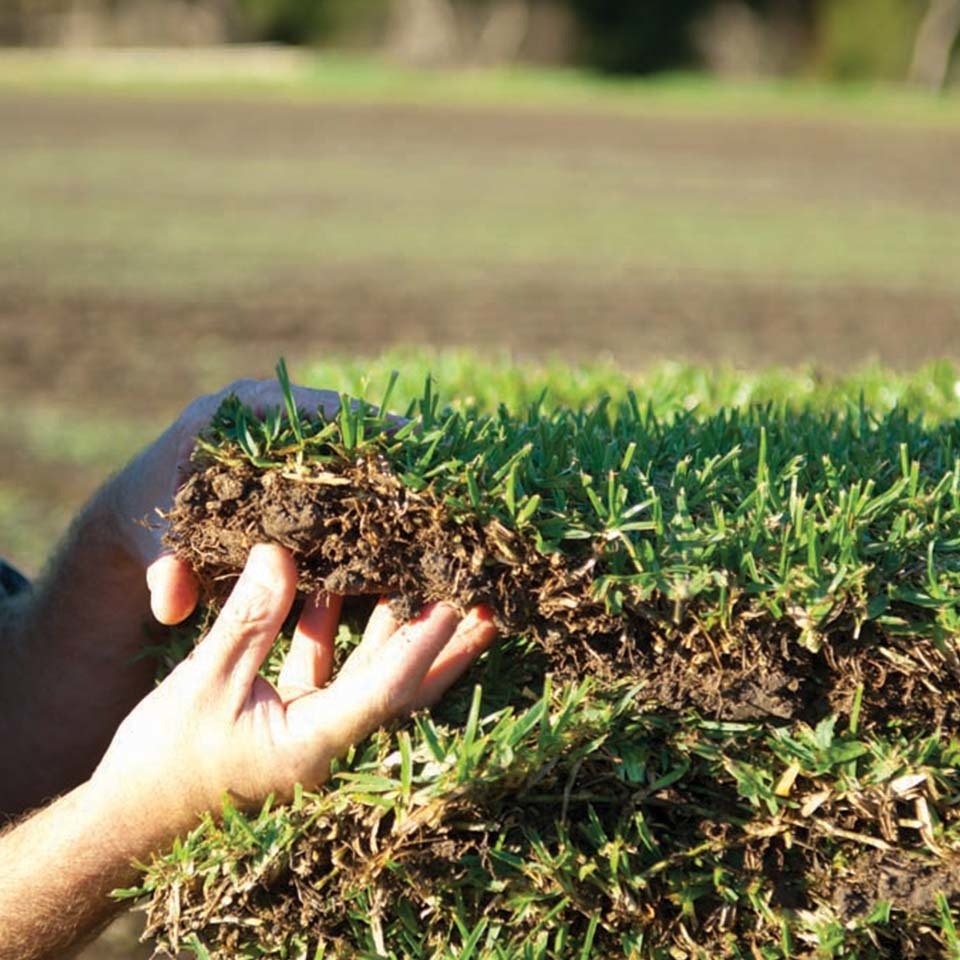
That recovery speed comes from Kikuyu’s unique growth habit. It spreads via both above-ground and below-ground runners, so bare patches fill in from every direction at once. Whether it is a family backyard, a school oval, or a commercial playing surface, Kikuyu handles heavy use and bounces back fast.
Appearance
- Bright green colour all year-round
- Soft to the touch and underfoot
- Fine-medium leaf
- Dense growth


Climate Performance
- Thrives in full sun
- High drought tolerance
- High cold tolerance
- Grows in most parts of Australia
Features
- Highly durable and resilient
- Very high wear tolerance
- Good weed resistance due to dense growth
- Good resistance to diseases
- Grows in most soil types
- Bred to produce a sterile seed head meaning less chance of spreading into garden beds
- Produces low seed head (a common irritant for people with allergies)

Get Kikuyu Turf Delivered to Your Door
We grow and supply Kikuyu from our family turf farm and deliver to residential customers, landscapers, schools, councils, and property managers throughout Sydney and surrounding areas. Whether you need turf for a backyard or a full playing field, we cut to order and deliver fresh. Professional installation is available for both residential and commercial jobs.What Sets Kikuyu Apart
Kikuyu does some things better than any other grass in our range. Here is what sets it apart.
Self-repair
No other turf grass available in Sydney recovers from damage as quickly as Kikuyu. It spreads via both above-ground runners (stolons) and below-ground runners (rhizomes), so bare patches fill in from every direction at once. A damaged section of Kikuyu lawn that would take weeks to recover in buffalo or couch can close over in days during the growing season.
Drought tolerance
Kikuyu’s deep, aggressive root system reaches moisture that shallower-rooted grasses cannot access. Once established, it handles Sydney’s dry stretches and water restrictions better than most varieties. During extended drought, it may brown off on the surface but the root system stays alive and the lawn bounces back once rain returns.
Winter colour
Unlike couch varieties (Santa Ana, Tahoma 31), Kikuyu holds its green colour through most of Sydney’s winter. Growth slows and tapers off, but it rarely goes fully dormant the way couch does. In coastal and inner-city areas, a well-maintained Kikuyu lawn can look green year-round.
Budget
Kikuyu is one of the most affordable turf varieties and sits well below the price of premium buffalo varieties. If you are covering a large area (a big backyard, acreage, a school oval, or a council park), the cost difference can add up quickly. Contact us for current pricing.
Fast establishment
Kikuyu establishes faster than any other variety in our range. New turf knits together and fills gaps within weeks rather than months. This matters for large installations where you need the surface usable quickly.
Supplying Kikuyu Turf To All Areas In Sydney
Why Choose Kikuyu Turf?
😎 Shade Tolerance
🏜️ Drought Tolerance
🛠️ Maintenance
❄️ Winter color
🥶 Cold Tolerance
🪴 Best Planting Time
📍 Where it works best
🌱 Soil Type
🍃 Leaf
🧂 Salt Tolerance
📏 Seed Head Levels
Very High
Medium
Low
7.5/10*
High
Anytime
QLD, NSW, VIC, SA, WA
Most Soil types
Thin
Low
Low
Great For a Range of Settings
Kikuyu works across a wide range of settings, from suburban backyards to large-scale commercial surfaces. Its combination of toughness, fast recovery, and low cost makes it particularly well suited to bigger areas and high-traffic environments.
For family backyards
If your backyard gets used hard (kids, dogs, weekend sport, barbecues, trampolines) and it is in full sun, Kikuyu handles the punishment better than almost anything else. It recovers from bare patches faster than buffalo, costs less than Tahoma 31, and stays greener in winter than Santa Ana. The main commitment is mowing. If you are happy to mow regularly, Kikuyu gives you a tough, green lawn at the lowest price point in our range. The dense surface is also naturally resistant to weeds, so you spend less time and money on herbicides.
For large blocks and acreage
When you are covering a large area, cost per square metre matters. Kikuyu’s lower price point and fast establishment make it the practical choice for properties where premium varieties would blow the budget. It fills in quickly, handles uneven terrain, and does not need the same level of care as finer-bladed grasses. For rural and semi-rural properties in the Sydney basin, Kikuyu is the most common choice for good reason.
For schools, councils, and parks
Kikuyu’s fast recovery is a practical advantage on surfaces that take constant, unpredictable wear. School ovals, council parks, and recreational grounds benefit from a turf that repairs itself between events without needing expensive remediation. Its lower purchase cost also makes it easier to justify for large-scale institutional projects. We can supply Kikuyu for school grounds, council parks, and recreational areas throughout Sydney and surrounding areas.
For erosion control and slopes
Kikuyu’s aggressive root system and fast lateral spread make it one of the most effective turf grasses for stabilising slopes and preventing erosion. On construction sites, road verges, and steep residential blocks, it establishes ground cover quickly and holds soil in place once it takes root.
Caring for Kikuyu Season by Season
Kikuyu is a warm-season grass, but it behaves differently from couch varieties in Sydney’s climate. It still grows best in the warmer months, but it holds its colour and density through winter far better than Santa Ana or Tahoma 31. Here is what a typical year looks like.
Spring (September onwards)
Growth accelerates quickly as temperatures rise. Kikuyu wakes up earlier than couch varieties and you will notice the lawn thickening and greening up through September. Resume regular mowing at 25-40mm and start edging early, because the runners push outward as soon as growth kicks in. Apply a balanced fertiliser in September to fuel the spring flush. Begin watering twice a week. If the lawn has become spongy or thatchy over winter, spring is the time to dethatch and scarify. Kikuyu produces more thatch than most other varieties, so annual dethatching keeps the surface healthy and prevents waterlogging.
Summer (December to February)
This is when Kikuyu grows at its most aggressive. Expect to mow once or twice a week to keep the lawn at a tidy height (25-40mm for home lawns). Edge regularly to stop runners invading garden beds and paths. Water deeply 2-3 times per week. Kikuyu’s deep root system handles dry stretches well, but consistent watering during extended heat keeps the surface dense and green. Apply a second fertiliser application in December. This is also the season where Kikuyu’s toughness shines. It handles constant summer foot traffic, weekend sport, and heavy use without thinning out.
Autumn (March to May)
Growth slows gradually as temperatures drop. Reduce mowing frequency to once a week or less by late autumn, and ease back on watering. Apply a final balanced fertiliser in March to strengthen roots before winter, then stop feeding once growth visibly slows. Keep the mowing height at 25-40mm and avoid scalping heading into the cooler months. The extra leaf length helps protect the crown and maintain colour heading into winter.
Winter (June to August)
Unlike couch varieties, Kikuyu does not go fully dormant in Sydney. Growth slows significantly and the lawn will lose some vigour, but it typically holds a green colour through most of the cooler months. Coastal and inner-city properties will see the best winter colour. Properties in western Sydney with heavier frost may see some fading, but nothing like the browning you get with Santa Ana or Tahoma 31. Mow occasionally (once every 2-3 weeks at most). Pause fertilising. Water only if conditions are dry and windy.
If you want even better winter performance with less maintenance, a buffalo variety like Sir Walter or Sapphire stays dense through winter with less mowing. But among sun-loving grasses, Kikuyu’s winter colour is a genuine advantage over couch.
What Our Customers Say
P
Peter McGuinn
P
Ian Johnston
Peter McGuinn
D
Daniella Spinetti
J
Jason Spitter
L
Liz B
How Kikuyu Compares
Kikuyu is the fastest-growing, most affordable variety in our range. Here is how it stacks up against the alternatives.
Kikuyu vs Sir Walter Buffalo
Sir Walter is the better choice if your yard has shade, or if you want a lower-maintenance lawn that stays green year-round with less mowing. Sir Walter’s broader leaf and slower growth mean less time behind the mower. But in full sun with heavy use, Kikuyu recovers from damage faster and is a more affordable option. If budget and wear tolerance are your priorities and the yard is sunny, Kikuyu wins on value. If shade, aesthetics, or low mowing matter, Sir Walter is the safer pick.
Kikuyu vs Sapphire Buffalo
Sapphire is a shade specialist with a fine, premium appearance built for front yards and low-traffic areas where visual appeal matters most. Kikuyu is the opposite: a high-performance workhorse that prioritises toughness and value over aesthetics. These two varieties serve completely different purposes. If you have a shaded front yard and a sunny backyard, Sapphire in the front and Kikuyu in the back is a practical combination.
Kikuyu vs Santa Ana Couch
Santa Ana is a finer-bladed, more controlled couch grass. It produces a neater, more uniform surface and does not spread into garden beds the way Kikuyu can. Santa Ana needs less mowing and gives a more controlled finish. But Kikuyu recovers from damage faster, costs less, and holds its colour through winter while Santa Ana goes dormant. For high-traffic backyards where budget matters more than aesthetics, Kikuyu is the better value. For a tidier finish with less boundary management, Santa Ana is the more refined option.
Kikuyu vs Tahoma 31 Bermuda
Tahoma 31 is a premium couch grass with lower water and fertiliser requirements. It produces a finer surface, needs less mowing, and has better cold tolerance than Santa Ana. Kikuyu is tougher, cheaper, and holds winter colour better than any couch variety. But Kikuyu needs more mowing and boundary management. Tahoma 31 is the choice for someone who wants couch-level toughness with less ongoing effort. Kikuyu is the choice for someone who wants maximum coverage at minimum cost.
Frequently Asked Questions
Is Kikuyu good for a residential backyard?
Does Kikuyu spread into garden beds?
How often do I need to mow Kikuyu?
Does Kikuyu stay green in winter?
How much shade can Kikuyu handle?
Is Kikuyu good for sports fields and school ovals?
How does Kikuyu compare to couch grass?
Can I lay Kikuyu in winter?
Does Kikuyu need dethatching?
Does All Year Round Turf supply and install Kikuyu?
Yes. We grow Kikuyu on our family turf farm and offer supply-only or full supply and professional installation throughout Sydney and surrounding areas.
Does All Year Round Turf Delivery Kikuyu All Throughout Sydney?
Yes, we deliver throughout Sydney and the surrounding areas. Contact us to confirm delivery to your location and get a quote.
Sydney's Toughest Lawn Grass, Grown on Our Farm
Kikuyu gives you the fastest recovery, the best winter colour of any sun-loving grass, at very affordable prices. Get a free quote and find out if it is the right fit for your lawn or project.