

5 Star Rating on Google!
tahoma 31 Bermuda Turf
Next-generation couch grass. Less water, Less mowing, Longer colour. Fresh from our farm – Tahoma 31 delivered across Sydney.

110+ 5 Star Google Reviews

30+ Years Experience

Custom Lawn Programs

Expert Advice and Support
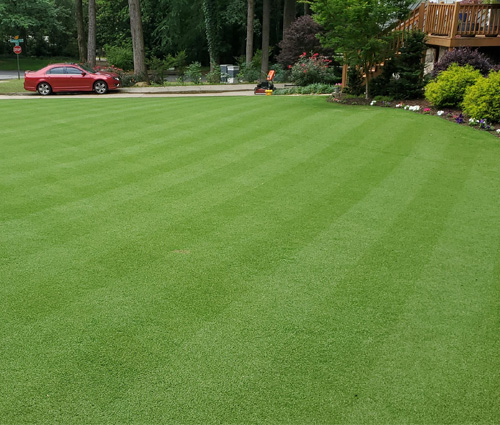
Tahoma 31 Bermuda Grass Delivered Across Sydney
Bermuda Grass is a high-density grass that thrives in hot and cold conditions and greens up quickly when spring rolls around. Tahoma 31 is an aggressive grass that heals quickly after activity, doesn’t tolerate weeds, and can be mowed short, making it perfect for golf courses.
Tahoma 31 grass costs less to run and stays green for longer. It needs less water than older varieties, produces less thatch, requires less fertiliser, and holds its colour weeks longer into autumn and earlier into spring. It still handles heavy foot traffic, kids, dogs, and weekend sport without thinning out.
If you have tried couch before and found the water bills too high, the brown winter months too long, or the maintenance too demanding, Tahoma 31 solves those problems. Same toughness, fewer trade-offs.
Appearance
- Deep green colour
- Excellent winter colour
- Firm underfoot
- Fine short leaf
- Dense growth


Climate Performance
- Drought tolerant
- High cold tolerant
- Performs in heat and humidity
- Grows in most parts of Australia
Features
- Very high shade tolerance
- Low maintenance
- Low thatch
- High wear tolerance
- Solid weed resistance due to dense growth
- Low mowing

Get Tahoma 31 Delivered to Your Door
We grow and supply Tahoma 31 from our family turf farm and deliver to residential customers, landscapers, golf courses, sports clubs, and property managers throughout Sydney and surrounding areas. Whether you need turf for a backyard or a full playing surface, we cut to order and deliver fresh. Professional installation is available for both residential and commercial jobs.
What You Actually Save With Tahoma 31
Here is what choosing Tahoma 31 over an older couch variety means for your time and money.
Water
One less watering session per week during summer compared to Santa Ana or common couch. Over a full Sydney summer, that adds up. It handles water restrictions better too, because the root system holds onto soil moisture longer between sessions.
Mowing
Once a week during the growing season is enough for most home lawns. Faster-growing varieties like Kikuyu often need cutting twice a week in peak summer to stay neat. Tahoma 31 grows slower vertically, so the lawn holds its shape longer between mows.
Green months
Tahoma 31 is one of the first couch varieties to colour up in spring and one of the last to fade in autumn. That means roughly 2-4 extra weeks of green at each end of the season compared to Santa Ana. Coastal Sydney properties may hold colour through most of winter.
Weekend maintenance
Couch grasses are known for thatch buildup, which usually means an annual scarify to keep things healthy. Tahoma 31 produces noticeably less thatch, so you may be able to skip it some years. That is a weekend back and the cost of a scarifier hire saved.
Fertiliser
Needs around half to three-quarters of what a standard couch lawn requires. It processes nutrients more efficiently, so fewer feed cycles per year without the lawn looking undernourished.
Durability
All of the above comes without giving up toughness. Tahoma 31 handles kids, dogs, weekend cricket, boot traffic, and general wear as well as any couch on the market. Bare patches fill in quickly and the surface stays firm.
Supplying Bermuda Grass To All Areas In Sydney
Why Choose Tahoma 31 Turf ?
😎 Shade Tolerance
🏜️ Drought Tolerance
🛠️ Maintenance
❄️ Winter color
🥶 Cold Tolerance
🪴 Best Planting Time
📍 Where it works best
🌱 Soil Type
🍃 Leaf
🧂 Salt Tolerance
📏 Seed Head Levels
High
Medium
Low
8/10*
High
Anytime
QLD, NSW, VIC, SA, WA
Most Soil types
Fine Short
Low
Low
For Home Lawns and Commercial Surfaces
Tahoma 31 works across both residential and commercial settings. The difference from Santa Ana is that Tahoma 31’s lower input requirements make it particularly attractive for anyone managing turf at scale.
For home lawns
If you want a lawn that looks sharp in full sun without spending every weekend maintaining it, Tahoma 31 is the couch variety to consider. It needs less watering than Santa Ana, less mowing than Kikuyu, and stays green longer through the cooler months than either. It handles the wear of an active family, including dogs, and recovers quickly from bare patches. The dense surface is soft underfoot and gentle on paws. The main consideration is that it still needs full sun (at least 6 hours daily) and will lose some colour in winter, though less than older couch varieties.
For sports fields and playing surfaces
Tahoma 31 was originally bred with sports turf in mind. It can be maintained at very low mowing heights (down to 3mm for putting greens, 10-20mm for ovals and training grounds) and recovers quickly from boot traffic, sliding tackles, and heavy equipment. Its lower water and fertiliser requirements translate directly to lower operating costs for councils, clubs, and facility managers compared to Santa Ana or TifTuf on the same surface area.
For golf courses and bowling greens
The ability to maintain Tahoma 31 at extremely low heights while keeping density and colour makes it well suited to greens, tees, and fairways. Its low thatch production is a practical advantage in these settings, where thatch management is a significant ongoing cost.
For commercial properties and strata
Parks, childcare centres, aged care grounds, corporate campuses, and strata common areas all benefit from turf that handles heavy foot traffic with lower ongoing costs. Tahoma 31’s reduced water and fertiliser requirements make a real difference when you are managing hundreds or thousands of square metres. Less irrigation time, fewer fertiliser applications, and less dethatching all reduce the total annual maintenance spend.
Tahoma 31 Through The Year
Like all couch and bermuda varieties, Tahoma 31 is a warm-season grass that performs best through the warmer months and slows down in winter. The key difference is that Tahoma 31 enters dormancy later and exits earlier than older varieties like Santa Ana. Here is what a typical year looks like in Sydney.
Spring (September onwards)
Tahoma 31 is one of the first couch varieties to green up in spring. As soil temperatures climb above 14 degrees, growth resumes noticeably earlier than Santa Ana or common couch. Resume mowing at 25-40mm for home lawns, begin watering twice a week, and apply a light nitrogen fertiliser to support the growth flush. Tahoma 31 requires less nitrogen than other bermudas, so use around half to three-quarters of what you would normally apply to a standard couch lawn. If you need to scarify or dethatch, spring is the time, though Tahoma 31 produces less thatch than most couch varieties so you may not need to do it every year.
Summer (December to February)
Peak performance. Growth is vigorous, colour is dark green, and the turf is at maximum wear tolerance. Mow once a week at 25-40mm for home lawns (down to 10-20mm for sports and golf applications with a cylinder mower). Water deeply 2-3 times per week. Tahoma 31’s deep root system and low evapotranspiration rate mean it handles dry stretches better than TifTuf and significantly better than Santa Ana. Apply a second light fertiliser application in December if needed.
Autumn (March to May)
Growth slows gradually. Reduce mowing frequency and lift the mowing height slightly heading into cooler months. The extra leaf length helps protect the crown. Apply a final balanced fertiliser in March, then stop feeding once growth visibly slows. Tahoma 31 holds its colour longer into autumn than Santa Ana, which is one of the practical benefits of its improved cold tolerance.
Winter (June to August)
Tahoma 31 will slow down and lose some colour during Sydney’s cooler months, but the degree of dormancy is noticeably less than Santa Ana or common couch. Coastal and inner-city properties may see the lawn hold a greenish tinge through most of winter rather than going fully straw-brown. Properties in western Sydney with heavier frost will see more colour loss but still less than older couch varieties. Pause fertilising. Water sparingly to prevent complete dry-out. Mow occasionally (just the tips) to keep the lawn tidy and help maintain colour.
Once spring arrives, Tahoma 31 is one of the first varieties to bounce back. If you want year-round green with zero dormancy, a buffalo variety like Sir Walter or Sapphire is a better fit. But among couch and bermuda grasses, Tahoma 31 has the shortest dormancy window available.
Trusted Across Sydney
P
Peter McGuinn
P
Ian Johnston
Peter McGuinn
D
Daniella Spinetti
J
Jason Spitter
L
Liz B
Appearance
- Deep green colour
- Excellent winter colour
- Firm underfoot
- Fine short leaf
- Dense growth
Features
- Very high shade tolerance
- Low maintenance
- Low thatch
- High wear tolerance
- Solid weed resistance due to dense growth
- Low mowing
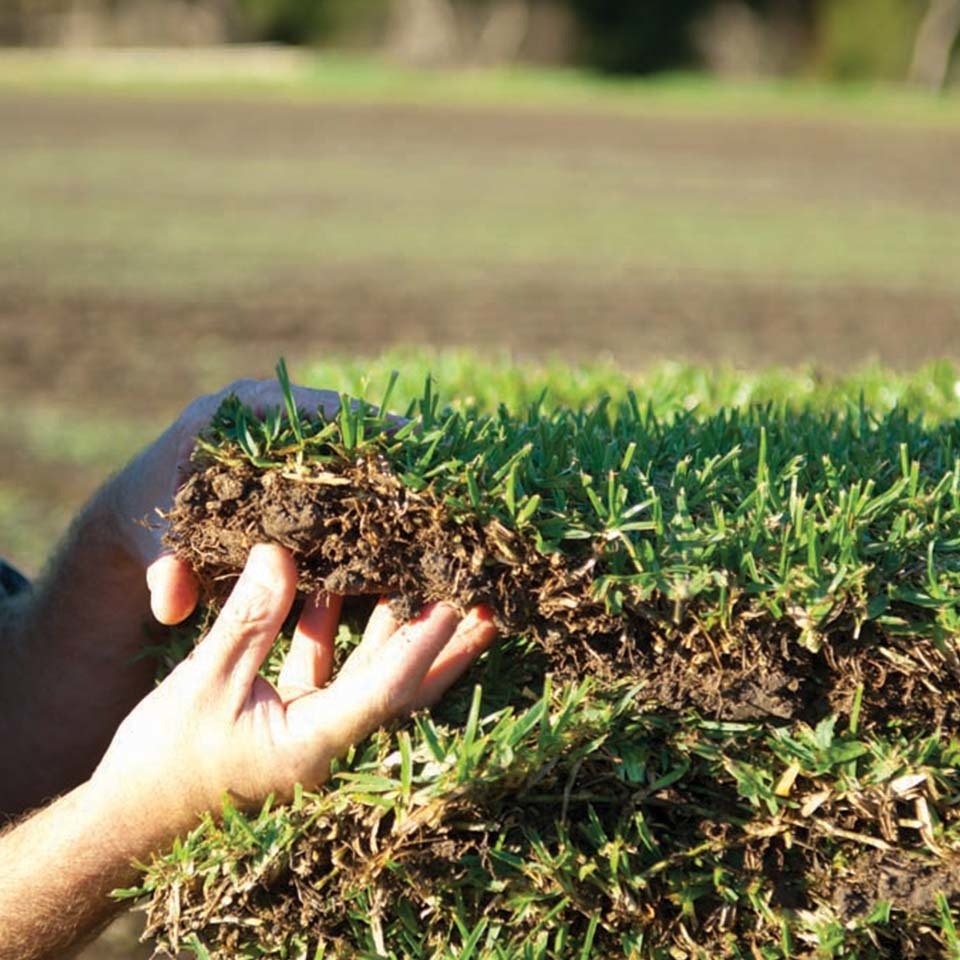
How Tahoma 31 Compares
Tahoma 31 sits in the same family as Santa Ana (both are couch/bermuda grasses) but was bred to improve on the areas where older varieties fall short. Here is how it stacks up against the other varieties we supply.
Tahoma 31 vs Santa Ana Couch
Santa Ana is a proven performer with a long track record in the Sydney market. It is hard-wearing, fast-recovering, and well understood by landscapers and greenkeepers. Tahoma 31 improves on Santa Ana in several areas: it uses less water, produces less thatch, needs less fertiliser, greens up earlier in spring, and holds colour longer into autumn. Santa Ana’s advantage is familiarity. It has been in the market for decades and its maintenance profile is well established. Tahoma 31 is the newer option with stronger research backing but a shorter track record in Sydney specifically.
Tahoma 31 vs Sir Walter Buffalo
Sir Walter is a completely different grass type (buffalo, not bermuda) and is the better choice for shaded properties. It stays green year-round and needs less mowing. But in full-sun, high-traffic situations, Tahoma 31 outperforms Sir Walter on wear tolerance, recovery speed, and water efficiency. If your yard is mostly sun with heavy use, Tahoma 31 is the stronger performer. If your yard has mixed light conditions or you need year-round green, Sir Walter is the safer choice.
Tahoma 31 vs Sapphire Buffalo
Sapphire is a shade-tolerant, fine-leaf buffalo bred for front yards and low-traffic areas where appearance matters most. Tahoma 31 is built for the opposite scenario: full sun, heavy use, and low-input maintenance. They serve completely different needs and there is almost no overlap between the two.
Tahoma 31 vs Kikuyu
Kikuyu is fast-growing and budget-friendly but aggressive. It invades garden beds, requires frequent mowing, and can be difficult to contain. Tahoma 31 is more controlled in its growth habit, produces a finer finish, and needs less mowing and water. For a lawn that performs well without constant boundary management, Tahoma 31 is the more refined option.
Frequently Asked Questions
What makes Tahoma 31 different from other couch grasses?
Lower running costs and less maintenance for the same level of toughness. It uses less water, needs less fertiliser, produces less thatch, and stays green for more of the year than older varieties like Santa Ana. It was developed through a 10-year university breeding programme and independently tested, so the claims are backed by research rather than marketing.
How much sun does Tahoma 31 need?
Tahoma 31 prefers full sun and performs best with 6+ hours of direct sunlight per day. It has better shade tolerance than any other bermuda variety (rated #1 in NTEP shade testing, tolerating up to around 60% shade) but it is not a shade grass. If your yard has significant shaded areas, a buffalo variety like Sir Walter or Sapphire will perform better in those zones.
Does Tahoma 31 go dormant in winter?
It does slow down and lose some colour in Sydney’s cooler months, but the dormancy is less severe and shorter than older couch varieties. Tahoma 31 has the best cold tolerance of any bermuda, which means it greens up earlier in spring and holds colour longer into autumn. Coastal Sydney properties may see it hold a greenish tinge through most of winter rather than going fully brown.
How much water does Tahoma 31 need?
Once established, Tahoma 31 needs 2-3 deep waterings per week during summer. New turf needs daily watering for the first 2 weeks to establish roots, then you can taper off.
How often do I need to mow Tahoma 31?
Once a week during the growing season is typical for home lawns, at a height of 25-40mm. For sports and golf surfaces with a cylinder mower, it can be maintained as low as 10-20mm. Tahoma 31 has a lower vertical growth rate than most bermudas, which means less mowing overall. In winter, mowing drops to occasional tidy-ups (just the tips) to maintain colour.
Is Tahoma 31 good for sports fields and golf courses?
It was specifically bred for sports turf and golf applications. It is currently used on professional sports venues in the US and is gaining adoption on Australian sports surfaces. Its high wear tolerance, fast recovery, and ability to be maintained at very low mowing heights (down to 3mm for putting greens) make it well suited to these environments.
Does Tahoma 31 produce a lot of thatch?
No. One of the notable differences between Tahoma 31 and older bermuda varieties is its low thatch production. The Australian distributor notes that it produces significantly less thatch than other hybrids. You may not need to dethatch every year, which reduces annual maintenance effort and cost.
Can I lay Tahoma 31 in winter?
Does All Year Round Turf supply and install Tahoma 31?
Yes. We grow Tahoma 31 on our family turf farm and offer supply-only or full supply and professional installation throughout Sydney and surrounding areas.
Where does All Year Round Turf deliver Tahoma 31?
The Next Generation of Couch Grass, Grown on Our Farm
Tahoma 31 gives you the toughness of couch grass with lower water bills, less mowing, and a lawn that stays green for more of the year. Get a free quote and find out if it is the right fit for your lawn or project.